


Two Engravings of Johnson by the Brothers Dalziel
few months ago I stumbled across two images of Johnson that I suspect most JNL readers have never seen. I myself had never seen them, even though I am constantly on the lookout for art that might be used in the JNL. I showed the images to a few Johnsonians, and several of them told me they had never seen them either.
You won’t find these images on Wikimedia Commons or on stock photo websites like Alamy.com. They seem to have popped up on the internet only a couple of years ago, when someone digitized an old book, The Queens of Society, by Grace and Philip Wharton (New York: Harper & Brothers, 1861). Textually, this book is not of any real importance for Johnson scholars: it merely reprints a few anecdotes from Boswell’s Life. Pictorially, though, it is of some interest, for it contains two engravings of Johnson that were created especially for the book by the Brothers Dalziel.
Before presenting the engravings, let me say a few words about the firm that produced them. The Brothers Dalziel was a London-based engraving company that flourished during the Victorian period. It was founded in 1839 by George Dalziel (1815-1902).1 He was eventually joined by several of his brothers, one sister, and a number of artists who were not members of the family.
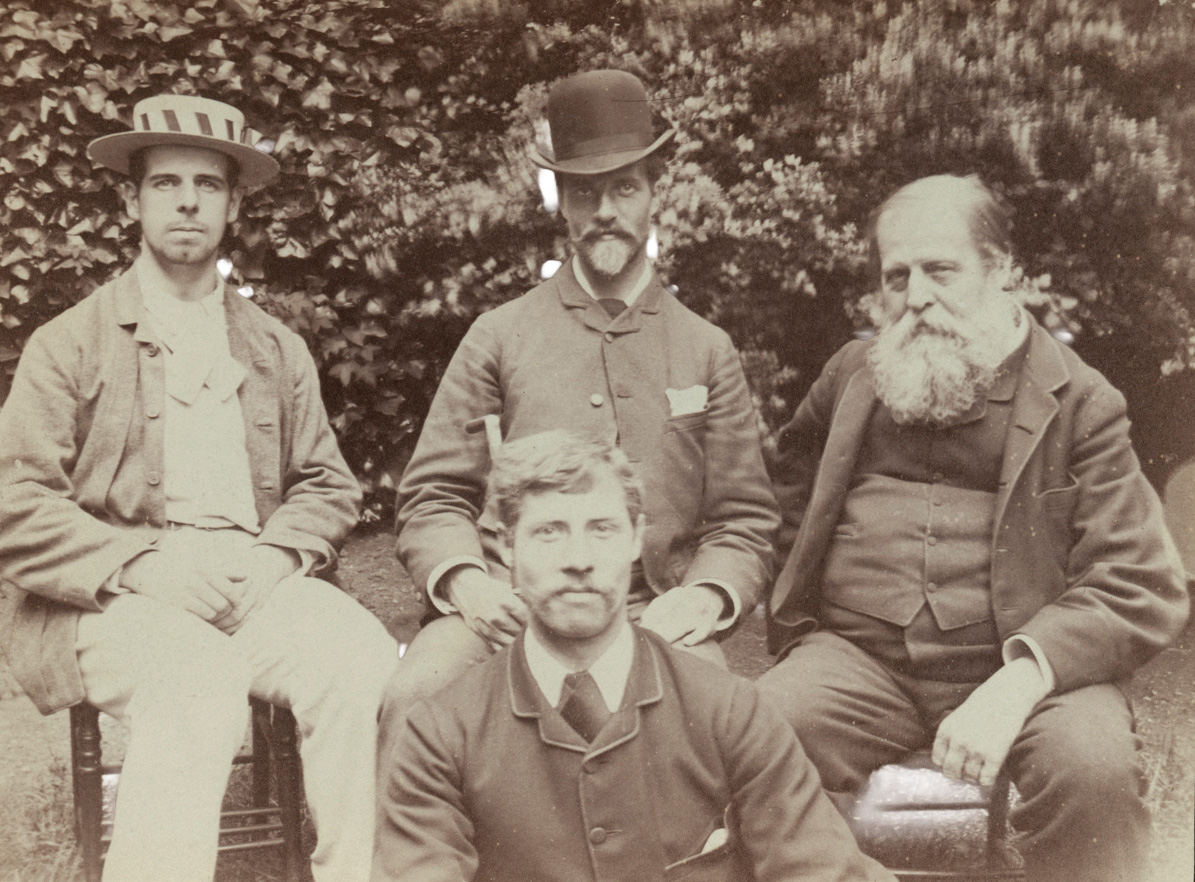
Figure 1: Members of the Dalziel family, 1880s (National Portrait Gallery)
The Brothers Dalziel established themselves as successful commercial illustrators in the 1840s. They produced many illustrations, including some that are still well known today — for example, their engravings for Lewis Carroll’s Alice in Wonderland books, Edward Lear’s Book of Nonsense, and Christina Rossetti’s Sing-Song.
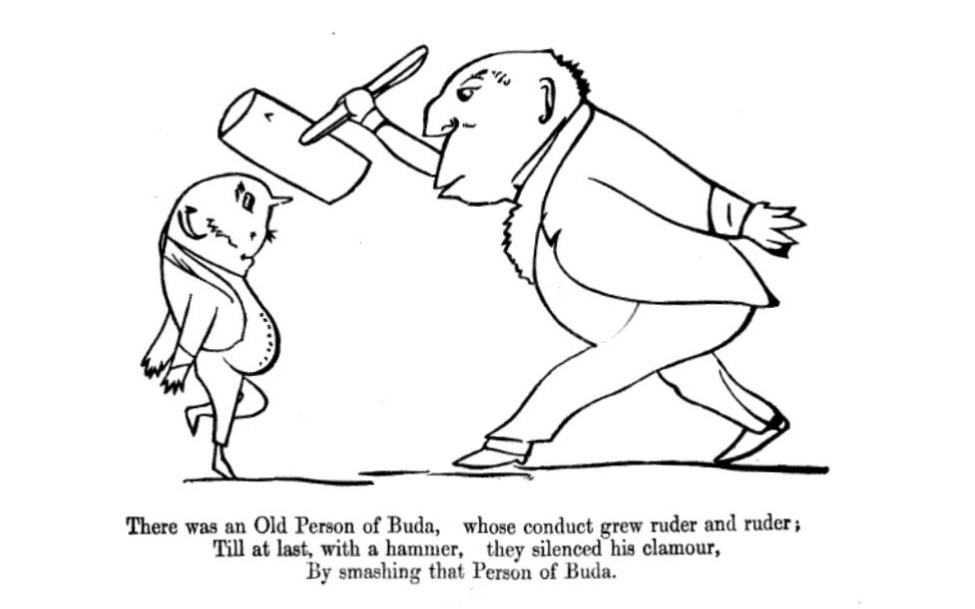
Figure 2: A Brothers Dalziel engraving for Edward Lear’s Book of Nonsense (1894)
The firm prospered for five decades, until new processes of book illustration came along and put them out of business in the 1890s.
There are two engravings of Johnson in The Queens of Society. The first of these is shown below.
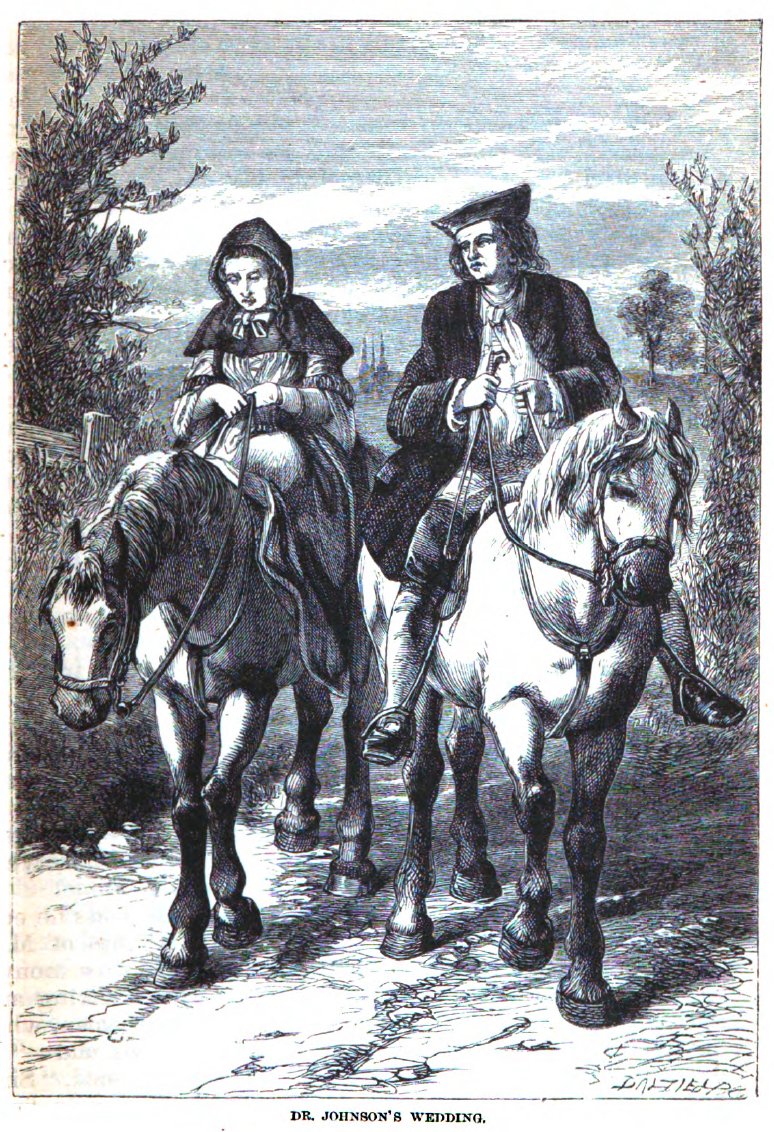
Figure 3: Dr. Johnson’s Wedding
The caption at the bottom of the page, “Dr. Johnson’s Wedding,” is somewhat misleading. The engraving does not depict the wedding ceremony itself; rather, it depicts an episode of spousal maneuvering and counter-maneuvering that allegedly took place after the ceremony, when the newlyweds were riding from Lichfield to Derby. The episode is described in the Whartons’ book:
[Johnson] used to relate the following particulars of his marriage (in 1755 to Mrs. Porter) with all the naiveté possible:— “Sir, it was a love marriage on both sides. Sir, she had a notion that a woman of spirit should use her lover like a dog.” They were, it seems, to ride on horseback to Derby, and set out in very good humor. “So, sir, at first she told me that I rode too fast, and she could not keep up with me; and when I rode a little slower she passed me, and complained that I lagged behind. I was not to be made the slave of caprice; and I resolved to begin as I meant to end. I therefore pushed on briskly, till I was fairly out of her sight. The road lay between two hedges, and I was sure that she could not miss it; and I conceived that she should soon come up to me. When she did, I observed her to be in tears.”2
The second image is shown in Figure 4, with the caption “A Scene in the Temple: Johnson’s Gallantry.” This engraving depicts an event that took place in 1763. Again, I give the version presented in the Whartons’ book, which traces back to Boswell’s Life:
“When Madame de Boufflers was first in England,” said Beauclerk, “she was desirous to see Johnson. I accordingly went with her to his chamber in the Temple, where she was entertained with his conversation for some time. When our visit was over, she and I left him, and were got into Inner Temple Lane, when all at once I heard a noise like thunder. This was occasioned by Johnson, who, it seems, upon a little recollection, had taken it into his head that he ought to have done the honors3 of his literary residence to a foreign lady of quality; and, eager to show himself a man of gallantry, was hurrying down the staircase in violent agitation. He overtook us before we reached Temple gate, and, brushing in between me and Madame de Boufflers, seized her hand, and conducted her to her coach. His dress was a rusty brown morning suit, a pair of old shoes by way of slippers, a little shriveled wig sticking on the top of his head, and the sleeves of his shirt and the knees of his breeches hanging loose. A considerable crowd of people gathered round, and were not a little struck by this singular appearance.”4
Marie Françoise Catherine de Beauvau-Craon, Marquise de Boufflers (1711-1786) was a French noblewoman, the royal mistress of Stanislaus I, King of Poland and Grand Duke of Lithuania. She was also the mother of the statesman and poet Stanislas be Boufflers. In 1771, Johnson wrote her a letter in French.5
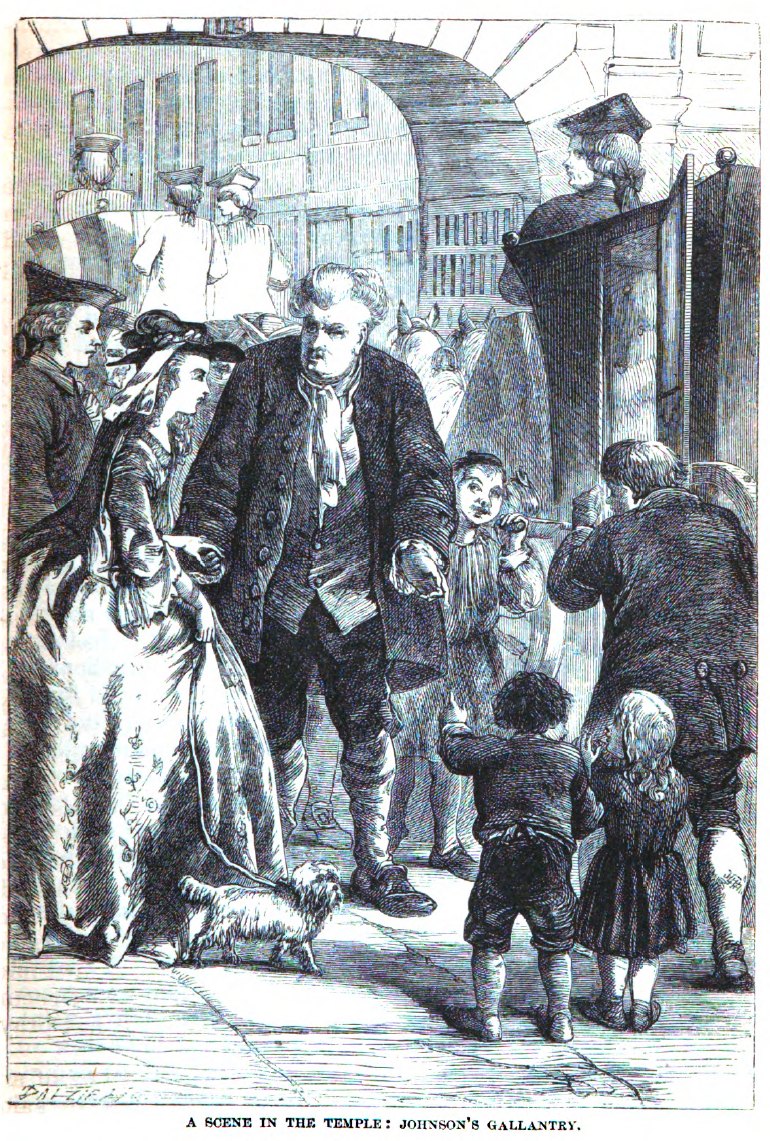
Figure 4: A Scene in the Temple: Johnson’s Gallantry
I am not aware of any other illustrations depicting Johnson and Tetty, newly married, on the road to Derby. On the other hand, I have seen two other versions of the scene involving Madame de Boufflers. Both of these were created as illustrations for editions of Boswell’s Life of Johnson.
The first (Figure 5) comes from what may be the very first abridgement of Boswell’s biography.6
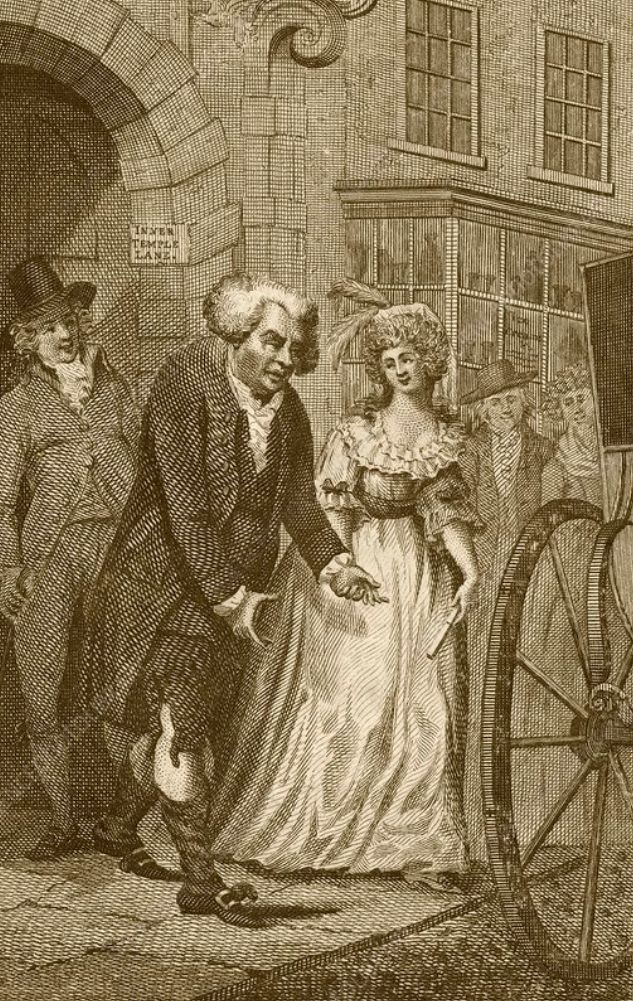
Figure 5: Dr. Johnson’s Politeness to Madame Boufflers (Image from Alamy)
The second (Figure 6) comes from a nineteenth-century edition of Boswell’s Life.7 It depicts a moment a few seconds earlier than the moment depicted in the other two images — the moment when Johnson hurried out to correct his oversight.
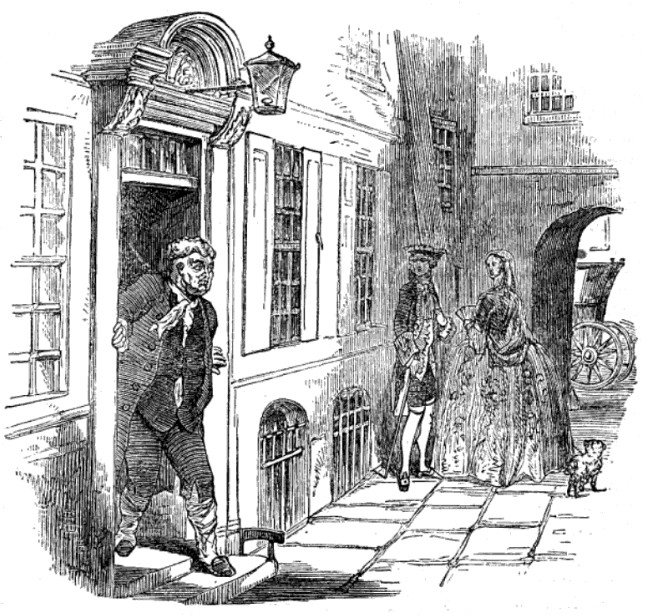
Figure 6: Another illustration of the same scene
In these images we seem to be dealing with an interesting sub-genre of Johnsonian illustration. One gets the sense that the world of High Society found Johnson’s occasional attempts at gallantry rather amusing. Over the years many images of Johnson have been created con amore; some or all of the images discussed in this note may have been created more in the spirit of subrisu efficta.8 That is to say, someone may have been having a laugh at Johnson’s expense.
For more on the Brothers Dalziel, see their memoir, A Record of Fifty Years’ Work (London, 1901). They were also the subject of a 2022 exhibition at the British Museum, “The Woodpecking Factory: Victorian Illustrations by the Brothers Dalziel.” Some materials related to the exhibition can still be viewed online. ↩︎
Wharton, Queens of Society, 362. ↩︎
To do (also perform) the honours, OED, sense 6: “to perform the civilities or courtesies associated with a particular thing or place; to serve as a host or hostess; to perform some specified or implied social act.” ↩︎
Wharton, Queens of Society, 363-64. ↩︎
See Letters of Samuel Johnson, ed. Bruce Redford (Oxford: Clarendon Press, 1992), five vols., 1:360. ↩︎
The Life of Samuel Johnson, LL.D., Carefully Abridged from Mr. Boswell’s Large Work, by F. Thomas, Esq., of the Inner Temple (London, 1792), frontispiece. ↩︎
The Life of Samuel Johnson, LL.D. (London: National Illustrated Library, 1852), four vols, 2:258. ↩︎
Subrisu efficta: Latin, fashioned or depicted under a smile; created while smiling at the subject. ↩︎