


Copilot at the Easel: A Gallery of AI-Generated Images of Johnson, with Commentary from Eighteenth-Century Scholars
In the last issue of the JNL, I included a couple of examples of what the latest AI bots can do as sentence generators. In this issue I have decided to share a few examples of what the bots can do as image generators. The portfolio that follows includes ten images of Johnson, all of which were generated by the Copilot AI bot in 2025 or 2026, based on prompts I supplied. I have placed the images in the order in which they were generated.
After generating the images, I put a version of this document up on Google Docs and invited a number of Johnsonians to serve as “judges” and comment on the images. I have included some of their comments in this article.
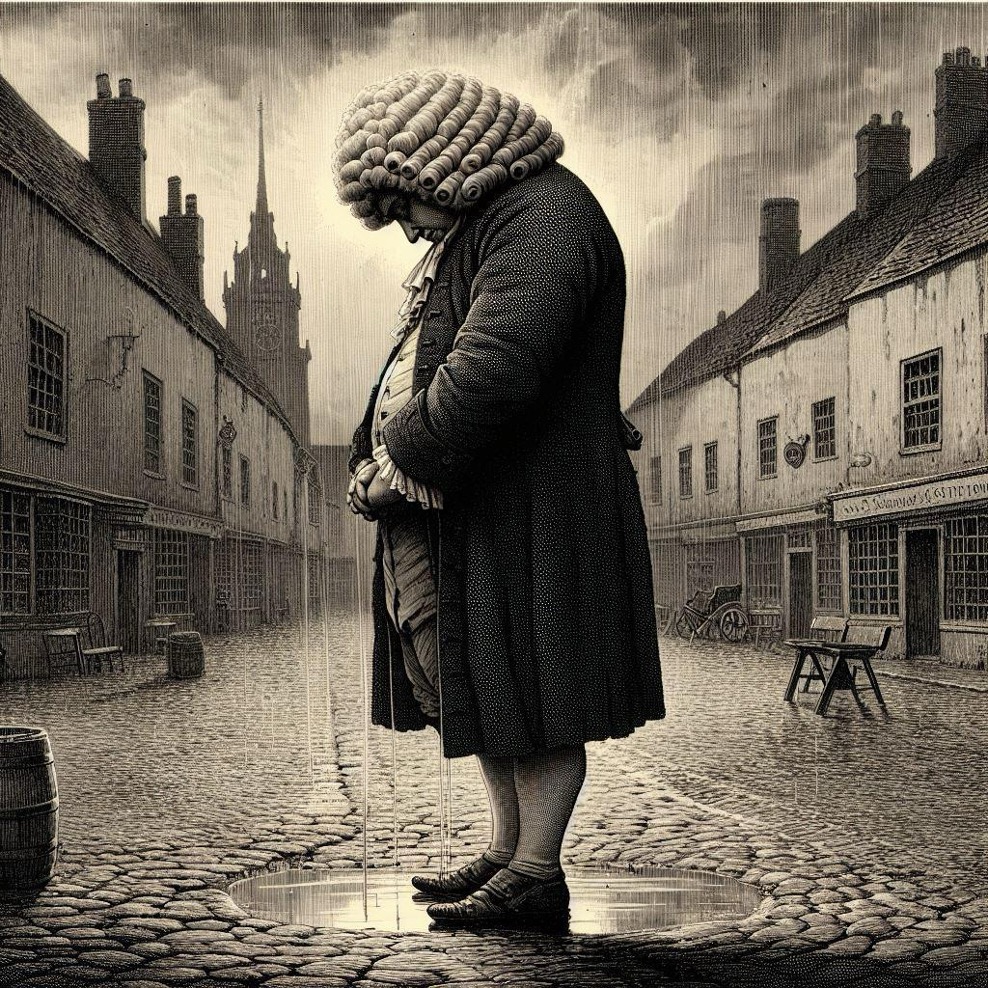
Figure 1: Johnson’s Penitence at Uttoxeter, 1770s or 1780s
Notes on Figure 1
I started fiddling around with AI image generation in 2024. I thought it might be possible to use the bots to generate some free illustrations for the JNL. Throughout most of 2024, however, I didn’t get many images that I thought were worth sharing. The image generators were just not very good at that point — and there was another problem, too. For many months the Copilot bot was not allowed to generate pictures of actual people. I tried to work around this prohibition by not using the name “Samuel Johnson” and instead asking the bot to draw a stout eighteenth-century man in a powdered wig and eighteenth-century dress. Figure 1 was generated using that sneaky work-around, in January of 2025. Copilot probably generated twenty images I didn’t like before it generated this one, which I did like — and still do. I like the monochromatic look, and since the man is shown in profile, you can’t really tell who it is. It could be Johnson.
The event depicted here will be familiar to many JNL readers. It is described in Boswell’s Life. In his later years Johnson went to Uttoxeter and stood in the rain, in penance: “Once [when I was working for my father]… I was disobedient… I refused to attend [him] to Uttoxeter-market. Pride was the source of that refusal, and the remembrance of it was painful. A few years ago, I desired to atone for this fault; I went to Uttoxeter in very bad weather, and stood for a considerable time bareheaded in the rain, on the spot where my father’s stall used to stand. In contrition I stood, and I hope the penance was expiatory.” Unfortunately, in my prompt, I left out the bit about “bareheaded.”
Judges’ Comments
Robert DeMaria, Jr.: I don’t imagine him looking so spruce; the wig particularly seems too well-groomed. The figure does embody the idea of contrition, however.
Anthony Lee: It’s interesting that SJ is depicted standing in the street, alone. This is historically inaccurate, but it does convey the isolating nature of guilt.
Beth Rapp Young: I like this image, but I don’t know if I would recognize what it depicted without your caption. Could someone be “bareheaded” in a powdered wig? Johnson defines this word as “Uncovered in respect,” and the OED is similar “With the head uncovered, esp. as a token of respect.” I don’t know whether a head in a wig was considered “uncovered” if it was not topped by a hat.
Ileana Baird: I find the image very atmospheric: the details of the background, the ominous sky, the suggestive rendering of the rain — they all add up to an oppressive feeling of guilt and willful punishment. I also like how crisp Johnson’s image is, centering the message of the graphic on the idea of penance, which is somehow enhanced by the imperfections of his body (the small feet and hands, the potbelly). I think, though, that the age is off as Johnson would have been in his seventies in 1780.
Lisa Berglund: Sorry to be the dissenter here, but I don’t like this image. Frankly, it looks as if Johnson is relieving himself, given the way the rain is depicted in lines, and given the location of his hands. I also have always assumed that his penance required him to be in public (as in the well-known historical picture) rather than looking as if he sneaked out at night, or was caught out after missing his train.
Michael Bundock: As with all things AI, everything depends on the prompts. Here the full-bottomed wig is hard to reconcile with bare-headedness, and I missed the busyness of the marketplace and the sneers of the passers-by.
John Scanlan: The bow of the head perfectly fits the passage; but where are the puddles in the “very bad weather”?
Lynda Mugglestone: While this is a very attractive image, maybe it’s too attractive — like contrition is being performed but not really felt, enhanced by the personal puddle which has come to surround him. That wig — given contemporary descriptions of Johnson’s variously singed and ill-fitting wigs — seems equally out of place. But penance in the underlying story needs a public context — not just outdoors as here, but with others to see and bear witness in the busy marketplace which Johnson had previously rejected.
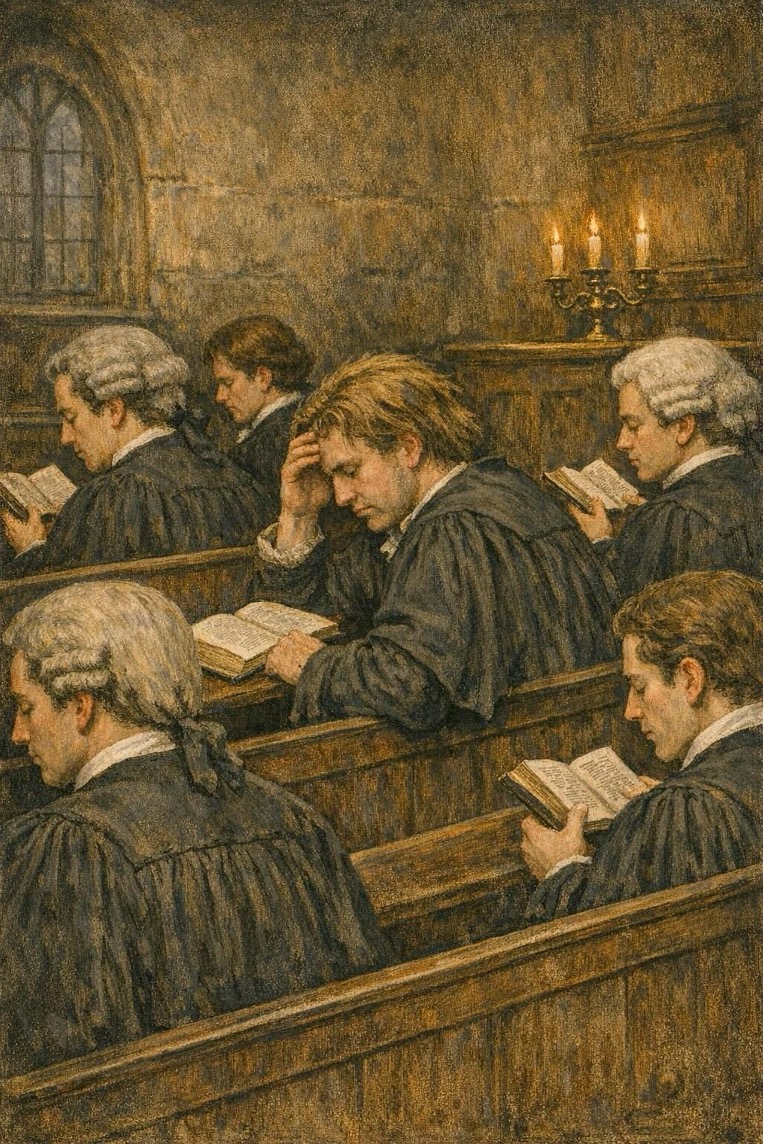
Figure 2: Johnson at Prayer in Pembroke College Chapel, Oxford, 1728-29
Notes on Figure 2
Early in 2026, I discovered that Microsoft had modified the rules governing image generation: Copilot was no longer prohibited from generating images of deceased historical figures. Emancipated thus, I asked Copilot to create an image of Johnson at prayer in Pembroke College Chapel and then (in later iterations) to make him look “troubled” about his own salvation, based on his recent reading of William Law’s A Serious Call. This was the fifth or sixth image Copilot generated, in March of 2026.
Again, the background story comes from Boswell’s Life. Johnson (Boswell says) “expected to find [A Serious Call] a dull book… and perhaps to laugh at it,” but he found Law “quite an overmatch.”
Judges’ Comments
Robert DeMaria, Jr.: Even at twenty Johnson was apparently not this handsome; his features could not have been this symmetrical. One eye wandered. He had scars. He was “raw-boned.” He does look like he is battling scruples. This could be a meeting of the Oxford Methodists.
Matthew M. Davis: AI even flatters the dead!
Beth Rapp Young: Another nice image. I like the fact that we can see his face. Would the stubble be accurate? The posture is very evocative.
Ileana Baird: I feel this image lacks something… depth? The “troubled” expression needs a bit more work. Also, is Johnson a bit out of proportion compared to the other individuals in this image? The other protagonists here seem like copy-paste replicas due to holding the books in the same position/at the same height. This whole graphic is a bit odd.
Lisa Berglund: He doesn’t look as if he’s praying, but I like the image, though it is (as mentioned by others) too flattering.
Michael Bundock: Pembroke College Chapel was not completed until 1732, after Johnson’s time there.
John Scanlan: Too “Hollywood.”
Lynda Mugglestone. Yes, have to agree with Michael on the historical problem here. The chapel was not finished during Johnson’s time in Pembroke. Even when complete, it didn’t (and doesn’t) look like this. This one looks much earlier and perhaps draws on stereotypes of Oxford college chapels. Johnson has also apparently been reconfigured as a suffering Romantic hero, while his eyesight has apparently been rectified, too — the wonders of AI. All the others need to hold their texts close to their faces.
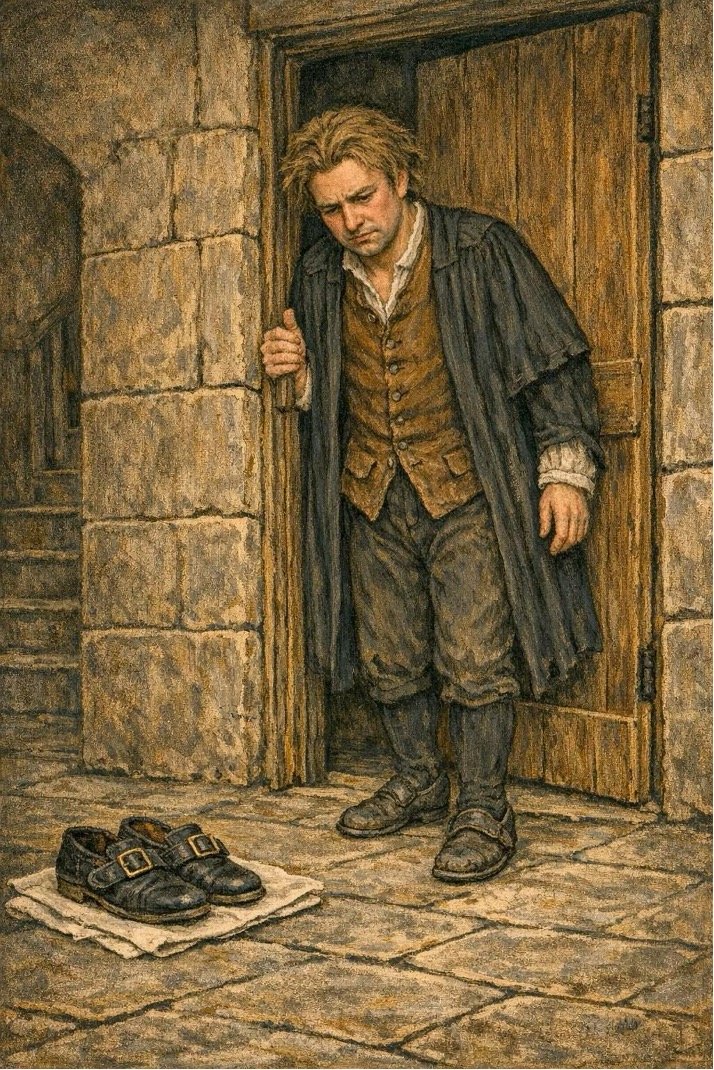
Figure 3: Johnson and the “Charity” Shoes; Pembroke College, Oxford, 1728-29
Notes on Figure 3
This image was generated in March of 2026, during the same session as Figure 2. The reader will notice that Copilot has managed to preserve the “look and feel” of Figure 2 while moving on to a new scene (something I had not previously seen it do). As a result, Figures 2, 3, and 4, all of which were generated in a single session, look like a series of illustrations in a children’s book on Johnson’s early years.
Boswell recorded that, while Johnson was at Oxford, he had very little money and his shoes were worn out and falling apart. A scholar of Christ Church set a new pair of shoes at his door, but Johnson “threw them away with indignation.”
Judges’ Comments
Matthew M. Davis: I am struck that Johnson looks rather handsome and well formed here (and also in Figure 2), perhaps implausibly so. Also his old shoes don’t look all that worn out.
Cal Curran: My objection is that he doesn’t actually look indignant.
Matthew M. Davis: That’s true; it looks like the bot decided to illustrate the moment just before the indignation kicked in.
Robert DeMaria, Jr.: This one seems more plausible to me than the first two, but wasn’t Johnson’s room on the top floor over the gate? I’ve seen it in its restored form.
Anthony Lee: Bob’s right about the upper-level apartment. I have pictures of it somewhere. Maybe AI can work with graphics?
Beth Rapp Young: Yes, AI images make everyone look symmetrical. I actually think Johnson’s clothes and shoes look slightly worn here, though I agree his expression might be “concerned” or maybe “puzzled.”
Ileana Baird: My first reaction after reading the note was the same as Matt’s: his own shoes don’t look that worn-out! Besides that, though, overall, he doesn’t come across as destitute in this image. I like the detail about the shoes placed on a piece of cloth: it suggests care, so Johnson’s “indignation” in this scene wouldn’t be justified, I think.
Lisa Berglund: The gifted shoes are so much larger than Johnson’s feet it seems that he’s wondering if a Brobdingnagian stopped by. I do value, however, the way the images make the viewer think about Johnson as youthful, rather than as already a stout authoritative sexagenarian.
John Scanlan: Does Johnson at Oxford look too much like Russell Crowe at Princeton (in A Beautiful Mind)?
Lynda Mugglestone: I’m temporarily occupying the Johnson room in fact, which is over the Lodge, and was historically the top floor. Again, there’s quite a lot of prettification (and Oxford stereotyping) going on — this was one of the cheapest bits of accommodation in the college, but it looks rather like a posh bit of Magdalen here. Johnson is right to look concerned about those shoes — they are really not going to fit. Johnson has also had an academic uplift — he’s wearing a scholar’s gown but was in fact an ordinary commoner so another bit of imposture here!
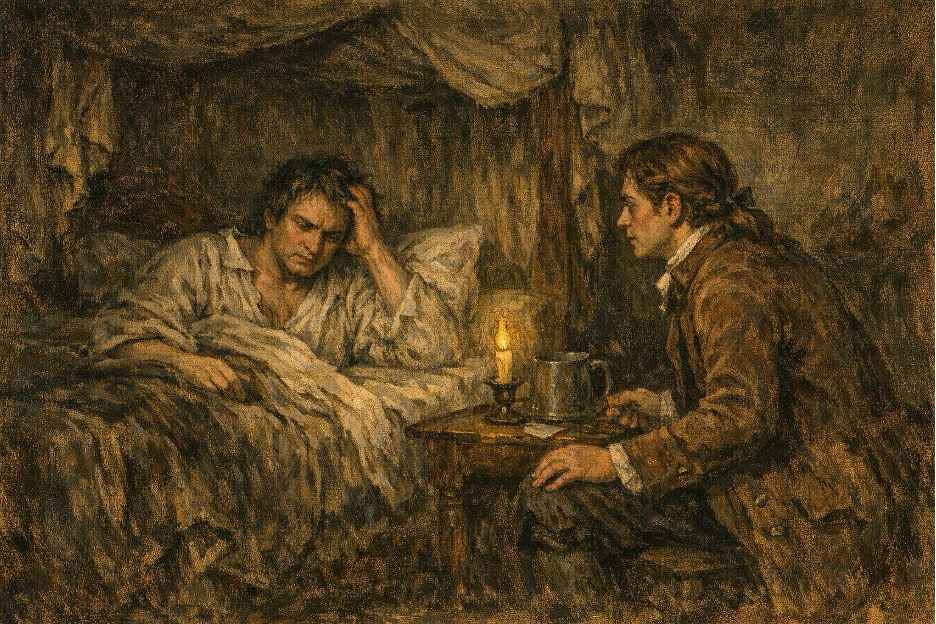
Figure 4: Melancholy Johnson, 1735
Notes on Figure 4
This is another image from my fruitful March of 2026 session.
Johnson agreed to translate Lobo’s Voyage to Abyssinia but (according to Boswell) his “constitutional indolence soon prevailed, and the work was at a stand. Mr. Hector, who knew that a motive of humanity would be the most prevailing argument with his friend, went to Johnson, and represented to him, that the printer could have no other employment till this undertaking was finished, and that the poor man and his family were suffering. Johnson upon this exerted the powers of his mind, though his body was relaxed. He lay in bed with the book, which was a quarto, before him, and dictated while Hector wrote. Mr. Hector carried the sheets to the press…”
Judges’ Comments
Robert DeMaria, Jr.: Why not show Johnson dictating and Hector writing it down?
Anthony Lee: I wonder if AI can be programmed to compose the missing essays that Johnson composed for Warren’s Birmingham newspaper. Wholly speculative, of course.
Beth Rapp Young: This is one of my favorite Johnson stories. I’d like to see the book in bed with him, and I’d like to see Hector taking dictation.
Ileana Baird: Where is the book?!? I like the sense of movement of this image and the engagement of the protagonists, but nothing here conveys anything else but some sort of conversation between the two. The note made me curious about the language of the book Johnson translated: the book is by a Portuguese author, but the translation is from French. I was not aware that in his 20s Johnson was that fluent in French… So looking this up, I found out that he likely learned the language in the early 1730s. He drafted an unfinished plan of study called Adversaria and set aside time to study French while simultaneously working on his Greek. So the “constitutional indolence” conveyed here may not be the best qualifier for Johnson.
Matthew M. Davis: I think the moment illustrated is the moment when Hector remonstrated with SJ and told him about the poor printer waiting for copy. I think that moment has appeal, too.
Lynda Mugglestone: Matthew’s comment is interesting. Is this another point of contrition, then?
Matthew M. Davis: I am only semi-contrite.
Lynda Mugglestone: Johnson is being presented here as a Romantic hero (though the large tankard on the bedside might unfortunately suggest other causes for Johnson clutching his head — which might indicate contrition and regret of another kind). I’m not sure AI is completely getting this task.
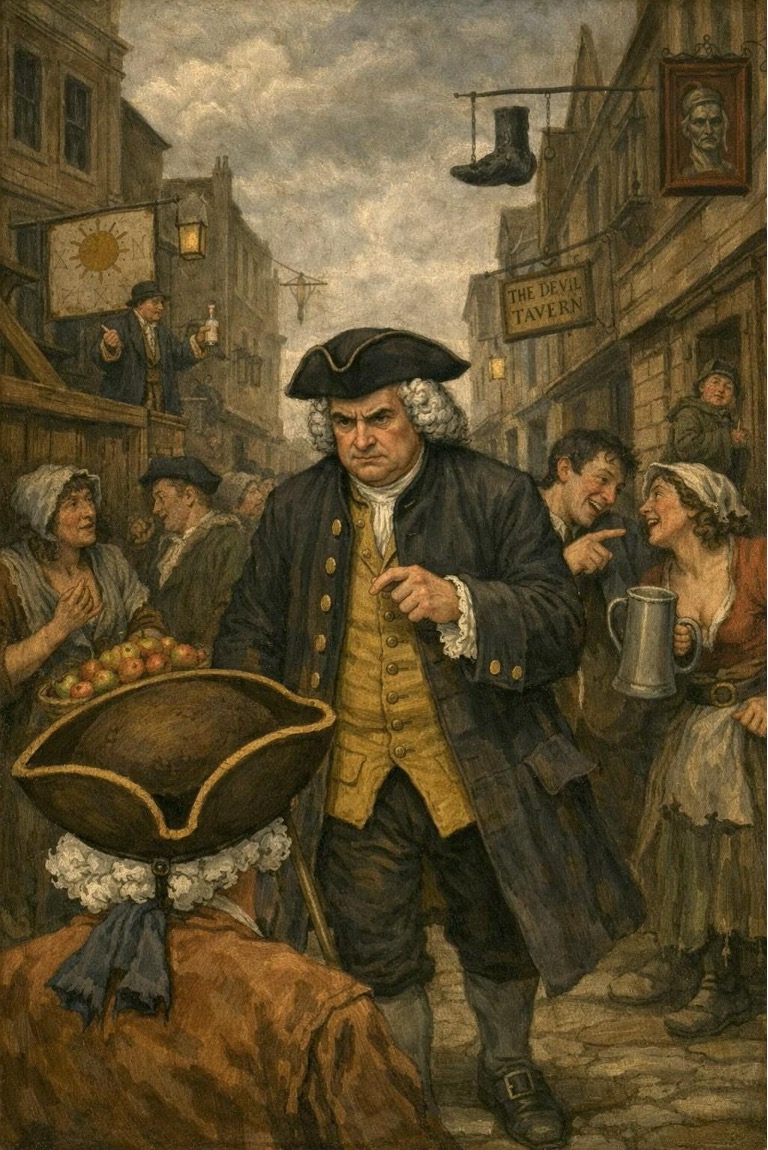
Figure 5: Johnson Walking the Streets of London
Notes on Figure 5
In March of 2026, I asked Copilot to generate an image of Johnson walking the streets of London. It generated a whole series of images. I liked this one the best overall, though it is not without imperfections.
Judges’ Comments
Matthew M. Davis: I give this high marks for “busy street feel,” but the pewter mug on the right is bizarrely large, even for a serious English drinker, and on the left side of the image there is a man with a bottle who almost seems to be hovering in the air.
Robert DeMaria, Jr.: The street is a little narrow for Fleet Street at Temple Bar, the location of the Devil Tavern, and surely there would be horses.
Anthony Lee: Perhaps be more specific: JOHNSON. “Why, Sir, Fleet-street has a very animated appearance; but I think the full tide of human existence is at Charing-cross.”
Beth Rapp Young: Shouldn’t Johnson look like he is enjoying London?
Ileana Baird: Interesting observation by Beth. I’ve always imagined Johnson withdrawn, somehow focused inward, in disregard of what’s happening around him. Some of that is captured in this image, but not very well; he seems rather angry here. The bot that generated the image knows its Hogarth, though; the background is clearly influenced by his drawings!
Lisa Berglund: The composition makes me wonder who the gentleman is whose back is turned to us. Is it Boswell? Oliver Edwards? Johnson is pointing a possibly accusatory finger… Did someone miss an appointment?
Michael Bundock: This one is fine for busyness and trade signs, but where is Temple Bar?
John Scanlan: There seems to be a debt to Hogarth here, yet unlike in Hogarth’s Gin Lane or Beer Street, the background characters have been flattened into versions of the pretty much the same character type.
Lynda Mugglestone: I like the trade signs, though the upsizing of the tankard from the previous image is disconcerting. Johnson was very tall — and is clearly towering over everyone else. Are the apples a reappropriated signifier of Nell Gwynn (with symbolic overtones of Eve). Maybe Johnson is wagging his finger before saying “It won’t do, my dear”?
Matthew M. Davis: The partially extended finger could be due to the ineptness of the bot, but it could also be Copilot’s attempt to illustrate the involuntary tics and convulsive movements Johnson exhibited.
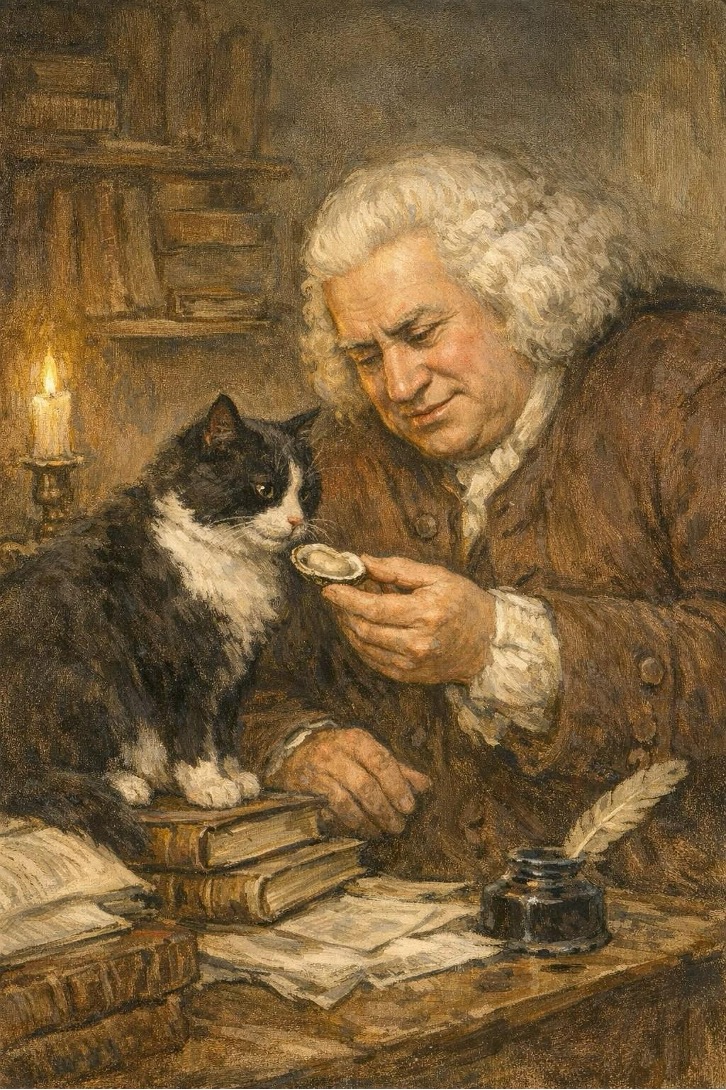
Figure 6: An Oyster for Hodge
Notes on Figure 6
No set of Johnson images would be complete without an image of Hodge the cat. Boswell reported that Johnson used to go out and buy oysters for Hodge, “lest the servants, having that trouble, take a dislike to the poor creature.”
Copilot produced this image of the scene right out of the gate, on the first try, in March of 2026.
Judges’ Comments
Robert DeMaria, Jr.: Rather sweet; I like to think of Johnson as kind, but in the portraits his hands look rather gnarled. He described them as “a scholar’s talons.”
Anthony Lee: Thumbs up for “rather sweet.”
Beth Rapp Young: Aww, this is a great image! Johnson seems a tad worried here? Maybe he isn’t sure Hodge will like the oyster?
Ileana Baird: I don’t know why, but while looking at this image I got worried about the cat turning over the inkpot on that desk cluttered with books! There is also too little space to write there, isn’t it? And why is the cat on the table?? Cats and books don’t usually go together in period images; owls and books, on the other hand…
Lisa Berglund: I have just realized that I always assumed Hodge was a tabby. And no, Johnson would not have fed him oysters stacked on top of his books, but I would believe an image of Johnson caressing Hodge with a pile of empty oyster shells in the background.
Lynda Mugglestone: This is definitely the wrong cat. I strongly suspect it is my cat Tom, who gets everywhere. I definitely wouldn’t let him near any ink on my desk. Hodge was a black cat, not a tuxedo. On the other hand, the candle is a good way from Johnson’s wig which is a safety improvement in other ways.
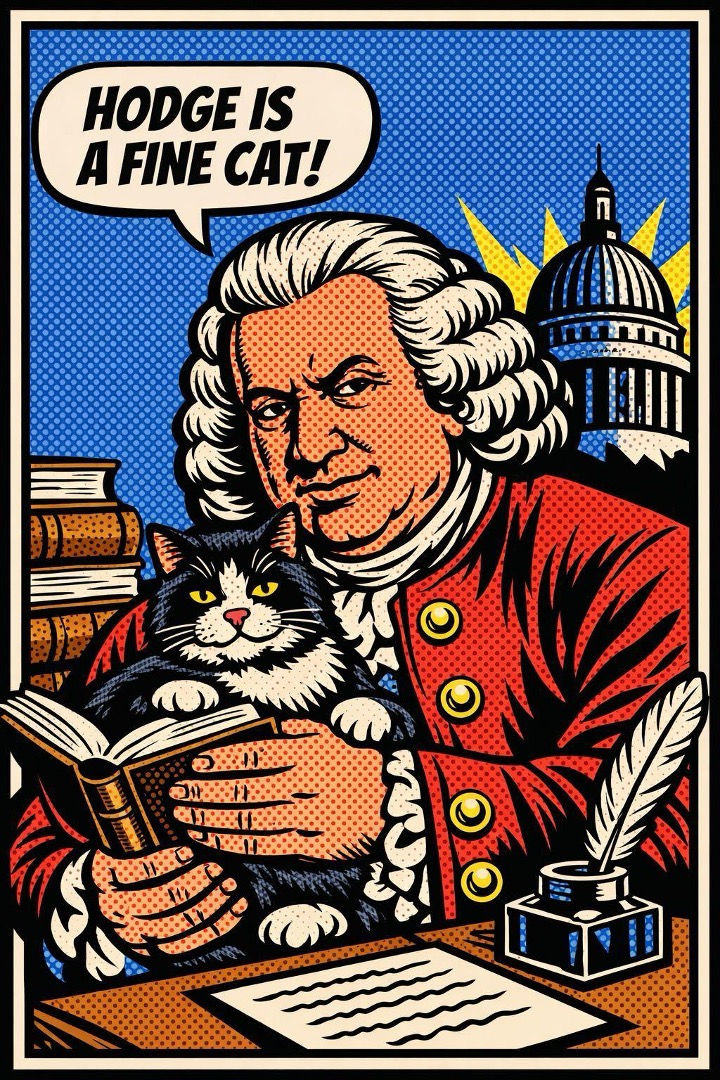
Figure 7: Hodge is a Fine Cat.
Notes on Figure 7
After getting an image of Hodge in the realistic style, I asked Copilot if it could produce a stylized image of Hodge, in the cartoon-like style of Roy Lichtenstein. I supplied the words in the speech bubble from Boswell’s biography. Of the four or five images the bot produced for me in April of 2026, this was the one I like the best.
Judges’ Comments
Robert DeMaria, Jr.: Abandoning any pretense of realism seems like a good idea. The face here, however, with its large nose and double chin seems more accurate to me.
Anthony Lee: At first glance, I thought that the US Capitol was in the background — not St. Paul’s. I wonder what AI would make of SJ visiting Boston, the Great Wall of China, Italy, etc.
Beth Rapp Young: I like this one quite a bit! And this brings up so many other possibilities. Johnson in the style of anime? Picasso? Hockney? Cassatt? Photo-realistic Johnson?
Matthew M. Davis: Noted.
Ileana Baird: What’s the building in the background!? With all the rays behind it, it is really distracting (at least to this viewer). Love the Johnson and the cat duo, though: their expressions kinda mirror each other. :)
Lisa Berglund: I agree that the background is distracting, but I love the two of them. Isn’t the quotation “Hodge is a very fine cat, a very fine cat indeed!”
Matthew M. Davis: Apologies to Hodge. Lisa is correct. I defaulted to Boswell’s characterization, thus revealing myself as not a cat person.
John Scanlan: I concur with Tony on the anachronistic near-depiction of the US Capitol, though here, to AI’s credit, Hodge, not Johnson, is focus of attention.
Lynda Mugglestone: Still the wrong cat. The building did initially make me think of the Capitol. Johnson did of course acquire a flamboyant red coat for the opening of Irene, but he does also look oddly like an off-duty Beefeater here.
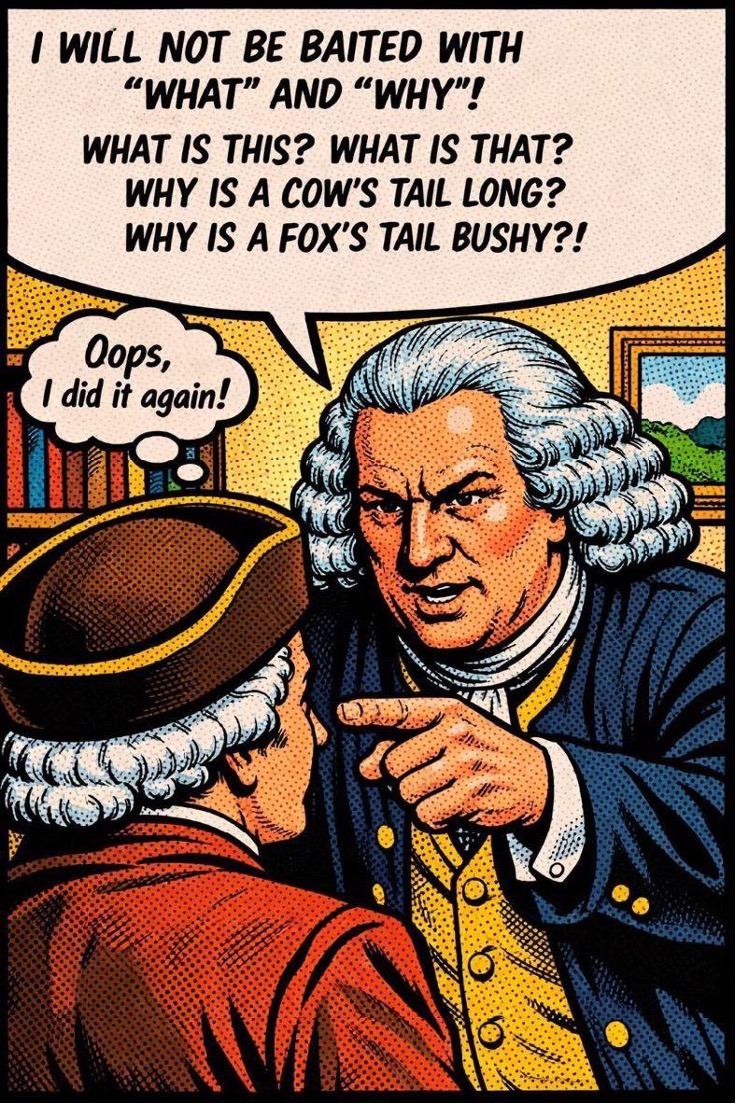
Figure 8: Boswell Rebuked, 1778
Notes on Figure 8
Here is another image in the Roy Lichtenstein style, generated in April of 2026. I asked Copilot to create an image of a time when Boswell went too far and asked one question more than he should have. Johnson’s words are taken from Boswell’s Life. Boswell’s thoughts are taken from a Britney Spears song.
Judges’ Comments
Robert DeMaria, Jr.: Johnson is too well groomed and handsome.
Anthony Lee: I think that his wig might look a little more topsy-turvy, with black singe marks.
Beth Rapp Young: This scene translates well to Lichtenstein, I think.
Ileana Baird: Love it! Just wished Johnson looked more like Johnson in the period images. Being blind in one eye and highly nearsighted in the other would result in some asymmetry in his facial traits, wouldn’t it?
Lisa Berglund: Boswell’s hat is very peculiar.
Lynda Mugglestone: I agree with Bob here — Johnson is suspiciously clean and neat. He also has an amazing wig collection he’s showing off in these images. This is a side to Johnson of which we were unaware.
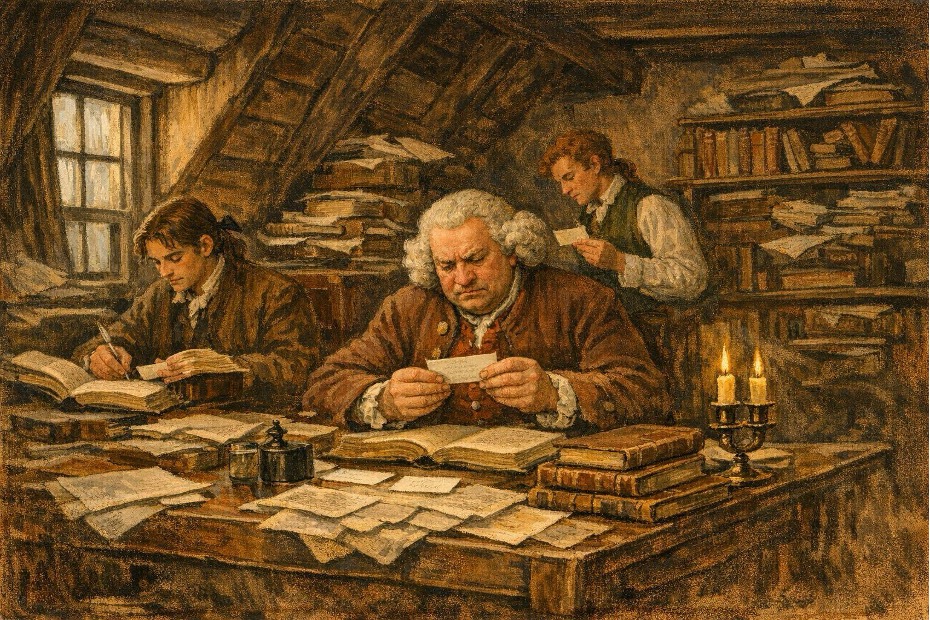
Figure 9: Working on the Dictionary, Gough Square, c. 1750
Notes on Figure 9
I drew on my reading of Kolb and Sledd and Reddick to generate this image of Johnson working on the Dictionary, with two of his amanuenses. I asked Copilot to put the three men up in the Gough Square garret and show one amanuensis copying illustrative quotations from a book onto slips while another one files slips that have been copied out. I also asked the bot to show Johnson studying a slip. I think it all came together rather nicely.
Judges’ Comments
Matthew M. Davis: The amanuenses are implausibly young; they both look like David Balfour from Kidnapped!
Robert DeMaria, Jr.: I like this — the clutter and the consternation. He should be working with folio sheets, however.
Anthony Lee: Where is the light coming from? I forget how many windows there are in the room. Perhaps it should be a bit gloomier?
Beth Rapp Young: If you decided to make this one in photo-realistic style, you could use photos of the actual garret. Is that red hair on one of the amanuenses? He must be one of the Scots.
Ileana Baird: I like the controlled messiness of the image, but I think that Johnson should have kept the note closer to his right eye and the head tilted to the right too…. The candles (maybe more than two?) should have been placed to his right, too (he was blind in his left eye).
Lisa Berglund: I like the composition, but I think it needs to look more like the actual room.
John Scanlan: Yes, the light. To judge by Johnson’s face, the light seems to be coming from the lower left corner of the image in front of him, and yet the main source of light is behind him to the left, with the candles doing no work at all. This scene strikes me as unnatural. Before its next attempt to paint the workshop of the Dictionary, AI should “studiously endeavour to collect examples and authorities of the [painters] before the restoration”!
Lynda Mugglestone: There are lots of windows in the garret so this might be fine, and the mess hasn’t been edited out, which is good. Importantly, it does show the dictionary being composed of slips which was a significant part of the process, according to surviving materials. Johnson is too old though!
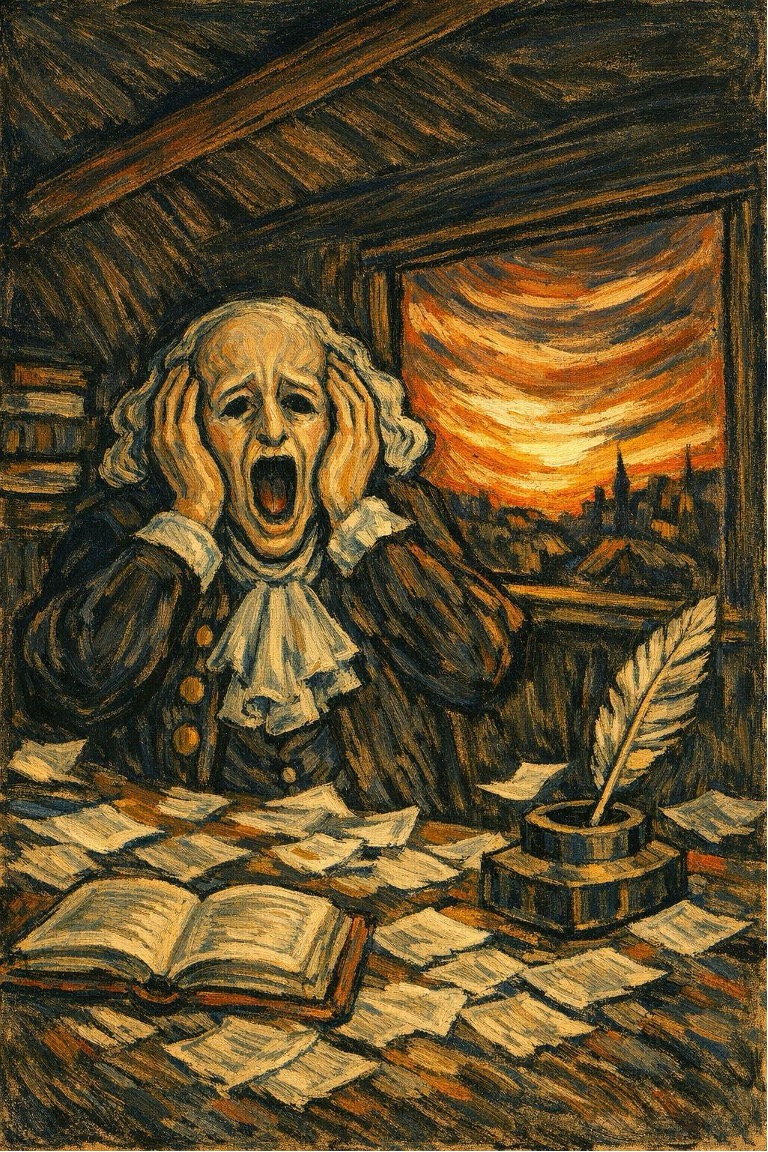
Figure 10: The Scream of the Lexicographer, c. 1749
Notes on Figure 10
If Figure 9 shows Johnson making steady progress on the Dictionary, Figure 10 shows him having a bad day at the office. In April of 2026, I asked Copilot to create an image of Johnson in the style of Edward Munch’s famous painting The Scream. Copilot’s first few tries looked like Johnson but didn’t look much like the Munch painting. I pressed for something that was more Munch-like, with an exaggerated mouth and a face shaped like an upside-down pear. This version is full Munch, but it looks less like Johnson. Oh, well. Sometimes in life you have to choose: “No man can taste the fruits of autumn while he is delighting his scent with the flowers of the spring; no man can at the same time fill his cup from the source and from the mouth of the Nile” (Rasselas, chapter XXIX).
Judges’ Comments
Robert DeMaria, Jr.: Interesting idea. I prefer the tears of the lexicographer to the screams, but there could be something haunting about this as an image of the lexicographer waking from his dreams.
Anthony Lee: According to Clifford, SJ had grey eyes. I wonder if you might request AI to make a close-up of his face.
Beth Rapp Young: The Ghost of the Dictionary Yet to Come?
Ileana Baird: Here I felt again something was off and checked Munch’s The Scream. Two thirds of that image is in shades of blue, not sienna, orange, and yellow. So what’s lost, I think, is the sense of cold despair that Munch’s image suggests. Also, to more aptly describe the desperation of the lexicographer, I would have envisioned Johnson pulling his hair instead of screaming at this desk. Are there any Boswellian stories of Johnson getting frustrated and loud while working on his Dictionary?… I’m struck by what an exciting pedagogical exercise this image-making could be! The students could engage in generating such images based on their research on an author and the circumstances of his work or biography! You just gave me an idea of a classroom activity I may use in the future!
Lisa Berglund: Interesting, but I don’t see this as a Johnsonian vibe.
Michael Bundock: Many of the images are in the tradition of realist Victorian historical portraiture, worthy but dull. Figures 7, 8 and 10 (in the style of Lichtenstein and Munch) seem much more interesting to me, and suggest other possibilities.
John Scanlan: Parodic imitation seems well suited to AI’s current capabilities.
Lynda Mugglestone: Johnson has apparently run out of wigs. Worryingly, the house now seems to be beamed and thatched, providing an extra fire hazard. The image definitely offers a moment of nightmare realization for the “dreams of a poet doomed to wake a lexicographer.”