


Johnsonian Gleanings from Print and Streaming Media, 2024-26
Two readers drew our attention to a YouTube video, A Celebration of Dr. Samuel Johnson, in which the English poet Malcolm Guite welcomes a visitor with a video camera, smokes a pipe, talks about Johnson, shows his visitor some Johnson-related books from his library, and reads selections from Johnson’s works, including excerpts from Rambler 2 and Rasselas.
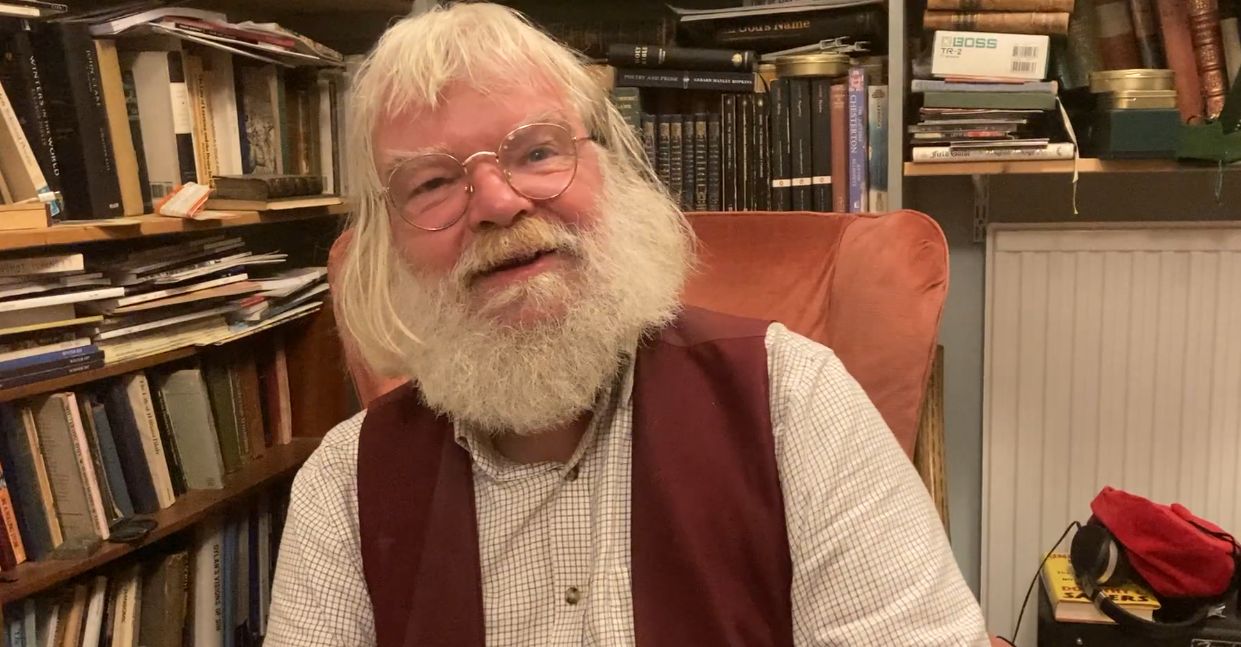
Figure 1: Video capture of Malcolm Guite
Johnson sometimes shows up in places where one would not expect him. We were not expecting to find him in a Quillette article on “Why Soccer is Boring,” by Robert Lynch, but there he was:
It’s not that dribbling, passing, and shooting with your feet is unimpressive. It’s that it’s impressive the way a dog walking on its hind legs is impressive: the miracle is that it can be done at all, not that this is the highest use of the organism. It would be like a version of basketball where you’re only allowed to dribble with your head.
Also unexpected: in April eighteenth-century scholar and JNL Advisory Editor Adam Potkay was named editor of the flagship journal of the Modern Language Association, PMLA. He will serve a three-year term, beginning in July of 2026. The press release can be read here.
Flora Lisica has a note in Notes and Queries 72.1 (March 2025) in which she argues that Johnson is lurking in the background in one of Keats’s most famous sonnets, “On Sitting Down to Read King Lear Again.” Lisica draws attention to the passage where Keats compares reading King Lear to passing through an “old oak forest” and suggests that the metaphor of the oak forest was inspired by Johnson’s description of a Shakespeare play as “a forest in which oaks extend their branches &c.”
There is a newish tutorial video on Johnson on study.com. The company won’t be winning any awards for the realism of its cartoon figures. Their cartoon version of Johnson looks a lot like Thomas Jefferson and not at all like Johnson.

Figure 2: Study.com image of Samuel Johnson
David Womersley uses Johnson to explain what he is trying to do in his new book, Thinking Through Shakespeare (Princeton University Press, 2026). Womersley begins by quoting the well-known passage from the Preface to Shakespeare in which Johnson describes Shakespeare as “the poet of nature, the poet that holds up to his readers a faithful mirror of manners and of life.” He notes that Johnson’s view of Shakespeare was widely accepted for two hundred years but has been rejected recently by strong historicist critics who reject the concept of general nature and treat Shakespeare as a very much product of his time and place. “This book,” Womersley writes, “is an attempt once more to write about Shakespeare as a man whose plays reflect on deep questions of enduing human importance and to resist the modern academic trend of retreating from the central human preoccupations which animate his drama.” In the chapters that follow, Womersley looks (mainly) at Hamlet, Macbeth, Othello, and King Lear.
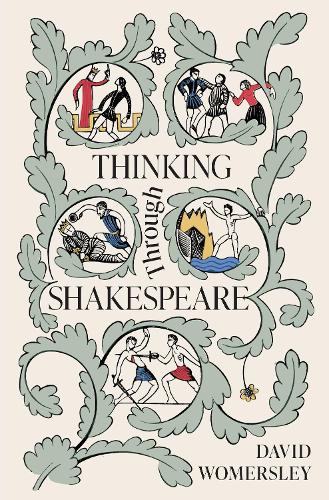
Figure 3: David Womersley, Thinking Through Shakespeare
Henry Oliver, the author of Second Act (a book on late bloomers) and a Substack newsletter called The Common Reader, has published a number of blog posts and articles on Johnson in recent years. Here is a sample of his writing on Johnson:
Johnson was a living sermon of determination: plagued by illness mental and physical; tormented by the idea of hell and the possibility of madness; agitated by his constant struggle for accomplishment and his incapacity for meeting the dreams of his youth; Johnson spent his life resisting depression, living with compulsions and twitches, and searching for money. Living in this way is what made him a great critic.
Here are some links to Oliver’s Johnson-related posts:
“You can never be wise until you learn to love reading (On my love of Samuel Johnson)”
“Woolfish Perception” (mostly on Virginia Woolf but also on Johnson)
Johnson is featured in an episode of the Oxford Writers’ House podcast. JNL contributor Lynda Mugglestone is interviewed in the podcast, and the discussion centers on Johnson’s years in Oxford.
Readers may have missed Allan Ingram’s recent article, “In Two Minds: Johnson, Boswell, and Representations of the Self,” in Writing and Constructing the Self in the Long Eighteenth Century, edited by Ingram, John Baker, and Marion Leclair (Manchester UP, 2025)
A quotation attributed to Johnson has been making the rounds on the internet lately: “Kindness is in our power, even when fondness is not.” At first, we thought this was faux Johnson; however, it appears to be a lightly rewritten version of something Johnson wrote in a letter to Boswell after Boswell’s father died:
Your father’s death had every circumstance that could enable you to bear it; it was at a mature age, and it was expected; and as his general life had been pious, his thoughts had doubtless for many years past been turned upon eternity. That you did not find him sensible must doubtless grieve you; his disposition towards you was undoubtedly that of a kind, though not of a fond father. Kindness, at least actual, is in our power, but fondness is not; and if by negligence or imprudence you had extinguished his fondness, he could not at will rekindle it. Nothing then remained between you but mutual forgiveness of each other’s faults, and mutual desire of each other’s happiness. (Boswell’s Life of Johnson, 4:154).